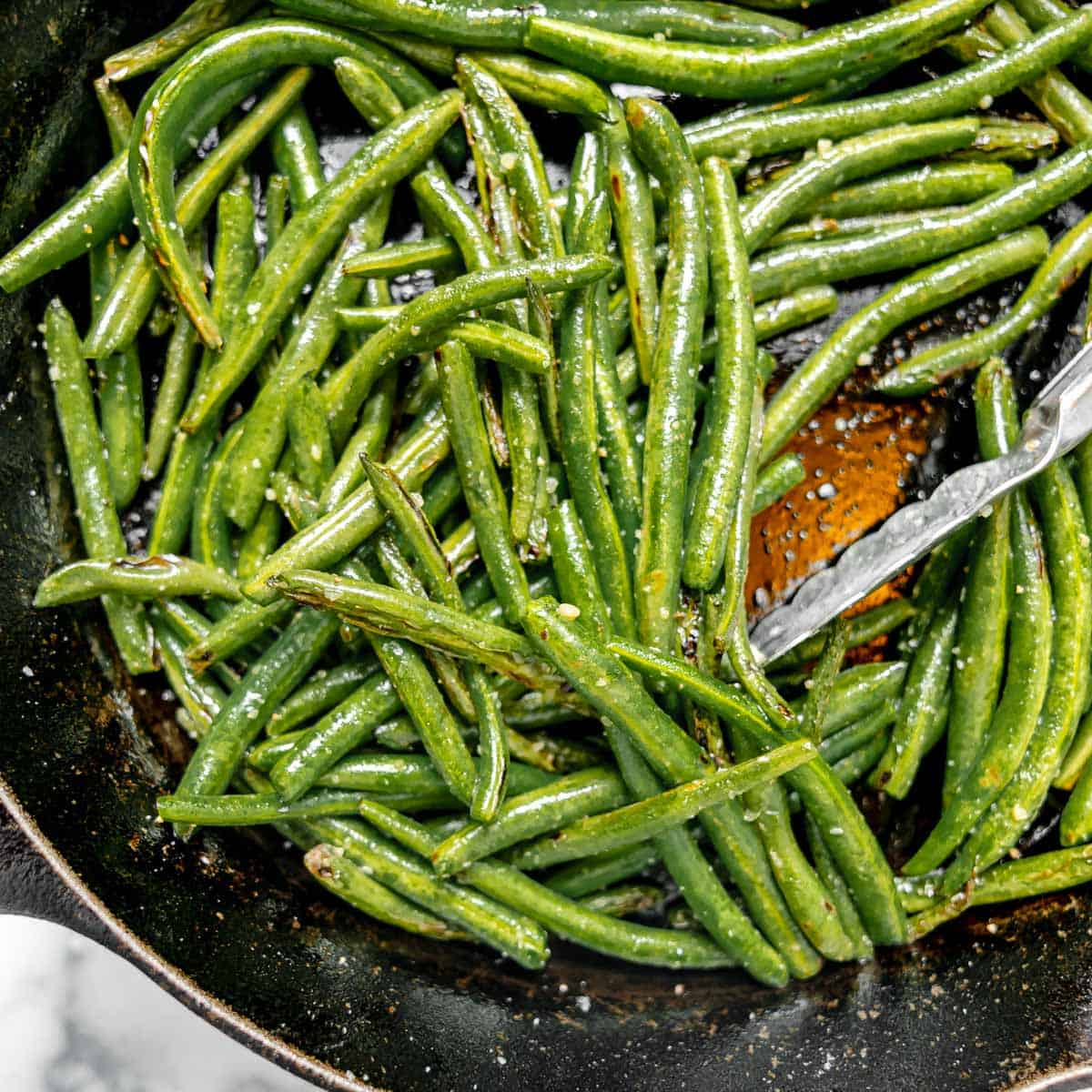
Secrets to Crisp-Tender Sautéed Green Beans Every Time
Transforming humble green beans into a vibrant, crisp-tender side dish is a culinary superpower every home cook deserves to master. Often relegated to a watery, mushy fate, sauteed green beans, when done right, become an irresistible highlight of any meal. They're quick, packed with flavor, and offer that perfect bite – slightly firm with a tender interior. Forget limp, dull vegetables; we're about to unlock the secrets to truly sensational sauteed green beans that will consistently earn rave reviews.
Whether you're looking for a lightning-fast weeknight side or an elegant addition to a holiday spread, this article will guide you through the techniques, ingredient choices, and expert tips to achieve perfectly blistered, garlicky, and deeply flavorful green beans, every single time.
The Foundation: Choosing and Prepping Your Green Beans for Success
The journey to outstanding sauteed green beans begins long before they hit the pan. Selecting the right produce and preparing it properly sets the stage for success.
Fresh is Best (and How to Pick Them)
For that coveted crisp-tender texture and bright flavor, fresh green beans are undeniably superior. When selecting them at the grocery store or farmer's market, look for:
- Vibrant Color: They should be a uniform bright green, free from brown spots or blemishes.
- Firmness: Green beans should feel firm, not limp or rubbery.
- Audible Snap: A truly fresh bean will snap cleanly when bent, rather than bending or feeling soft.
Most varieties available today are "stringless," meaning they don't have the fibrous string running down their side. If you've opted for heirloom varieties, you might encounter strings. To remove them, simply snap off the stem end and pull it back along the seam to peel off the string.
While fresh is ideal, pre-trimmed bags of green beans are a fantastic time-saver. Just ensure they still meet the criteria for freshness mentioned above.
The Critical Step: Drying Your Beans
This single step is arguably the most crucial for achieving those desirable blistered spots and preventing a soggy outcome. After washing your green beans, it is imperative to dry them thoroughly. You can use a salad spinner, then spread them out on a clean kitchen towel or paper towels to air dry for a few minutes, or simply pat them dry.
Safety Tip: Water and hot oil do not mix well. Introducing wet green beans into a super-hot pan of oil can cause dangerous splatters and burns. Beyond safety, excess moisture will steam your beans instead of searing them, hindering the development of those delicious dark, blistered bits.
Frozen Green Beans: A Workaround (with Caveats)
Life happens, and sometimes frozen green beans are all you have on hand. While they won't achieve the same crisp-tender snap or develop those flavorful blistered spots that fresh beans do, they can still make a decent side dish. The key is to acknowledge their limitations and adjust your cooking method.
It's incredibly difficult to dry frozen green beans sufficiently for high-heat sautéing without them becoming mushy. Instead, cook them from frozen in a skillet over medium-high heat for approximately 8-10 minutes. This allows excess moisture to evaporate. Expect a softer texture, but they can still be flavorful when seasoned properly with garlic, salt, and pepper.
Mastering the Sauté: Two Proven Paths to Perfection
There are two primary methods for cooking truly incredible sauteed green beans, each offering slightly different results but both aiming for that crisp-tender texture and deep flavor.
Method 1: The High-Heat Blister for Speedy Sauteed Green Beans
This method is all about speed and intense flavor, perfect when you want those delightful dark, blistered spots that add incredible depth. It's a quick, direct approach that minimizes cooking time and maximizes char.
- Heat the Pan: Use a large, heavy-bottomed skillet (cast iron or stainless steel works best) over medium-high to high heat. Add a tablespoon or two of a neutral oil with a high smoke point, like avocado oil, or a mix of olive oil and butter.
- Add the Beans: Once the oil shimmers, add the *thoroughly dried* green beans in a single layer. Avoid overcrowding the pan, as this will steam the beans instead of searing them. Cook in batches if necessary.
- Sear and Blister: Let the beans cook undisturbed for 2-3 minutes, allowing them to blister and brown in spots. Then, toss them and continue cooking for another 3-5 minutes, stirring occasionally, until they reach your desired tenderness and char.
- Flavor Infusion: In the last 1-2 minutes of cooking, add minced garlic. Cook until fragrant (about 30 seconds), then season generously with salt and freshly ground black pepper.
This technique yields beautiful, slightly charred beans with a tender bite, often ready in under 10 minutes from start to finish. For a deep dive into this quick method, check out our guide on Blistered & Fast: Versatile Sautéed Green Beans Recipe.
Method 2: The Blanch-Then-Sauté for Consistent Crisp-Tender Results
This two-step method is a secret weapon for achieving consistent, vibrant, crisp-tender green beans, especially if you've struggled with mushiness in the past. It guarantees even cooking and preserves that gorgeous bright green color.
- Quick Blanch: Add the trimmed green beans to a large skillet and pour in about 1 inch of water. Bring the water to a boil over high heat and cook for 3-5 minutes, or until the beans are bright green and just fork-tender. The goal is to cook them *just enough* to remove the raw crunch, not to soften them completely.
- Drain Immediately: Promptly drain the beans in a colander and carefully pour out any remaining water from the pan. This stops the cooking process and prevents mushiness.
- Sauté to Perfection: Place the empty skillet back over medium heat. Add your chosen fat (butter, olive oil, or a combination). Once melted, add minced garlic and cook until fragrant, usually about 30-60 seconds.
- Finish and Season: Add the drained green beans back to the pan. Sprinkle with salt and pepper, and toss to coat. Sauté for just 2-3 minutes, stirring once or twice, until some beans get lightly golden and slightly crispy in spots. Serve immediately.
This blanch-and-sauté method prevents overcooking and ensures a vibrant color and perfect texture every time. You can learn more about this approach in our article, Minute Garlic Sautéed Green Beans: Quick Side Dish.
Flavor Boosters & Customization for Your Sauteed Green Beans
While fresh green beans, garlic, salt, and pepper make a fantastic base, there are endless ways to elevate your sauteed green beans.
- The Garlic Gold Standard: Freshly minced garlic provides an unparalleled aromatic foundation. While jarred minced garlic can be used for convenience, its flavor often pales in comparison to fresh cloves. Add garlic towards the end of cooking to prevent it from burning and turning bitter.
- Butter vs. Olive Oil: Butter lends a rich, classic flavor and helps the beans brown beautifully. Olive oil offers a lighter, fruitier note. Many chefs opt for a combination of both for the best of both worlds.
- A Hint of Heat: A pinch of red pepper flakes added with the garlic can introduce a pleasant warmth.
- Brightening Finish: A squeeze of fresh lemon juice or a dash of lemon zest just before serving can brighten the entire dish, cutting through the richness of the butter and enhancing the green beans' natural flavor. A splash of balsamic or apple cider vinegar can also achieve a similar tangy lift.
- Herbs & Spices: Fresh thyme, rosemary, or even a sprinkle of dried onion powder or smoked paprika can add different dimensions.
- Crunch Factor: Toasted slivered almonds or chopped pecans, added at the very end, provide a delightful textural contrast.
- Savory Add-ins: Crumbled bacon, sautéed shallots, or a sprinkle of grated Parmesan cheese can take your beans from side dish to star.
Troubleshooting & Expert Tips for Perfect Sauteed Green Beans
Even with the best intentions, things can sometimes go awry. Here’s how to avoid common pitfalls and enhance your sauteed green beans even further:
- Avoiding the Mushy Mistake: This is the most common complaint. The primary culprits are overcooking (either during blanching or sautéing), leaving beans sitting in hot water, or overcrowding the pan. Always cook just until fork-tender, drain immediately if blanching, and ensure your pan has enough space for the beans to sear, not steam.
- Pan Selection Matters: A wide, heavy-bottomed skillet—like cast iron or a good quality stainless steel pan—is essential. It distributes heat evenly and retains it well, which is crucial for achieving that desirable sear and blister.
- Seasoning Strategy: Salt and pepper should be added towards the end of cooking. Adding salt too early can draw out moisture, hindering blistering. Taste and adjust as needed.
- Serving Suggestions: Sauteed green beans are incredibly versatile. They pair beautifully with everything from a simple roasted chicken or pan-seared salmon to a hearty steak or prime rib. They're a classic for holiday meals like Thanksgiving and Christmas.
- Storage and Reheating: While best enjoyed immediately, leftover sauteed green beans can be stored in an airtight container in the refrigerator for 2-3 days. To reheat, gently warm them in a skillet over medium heat, perhaps with a tiny bit more butter or oil, until just heated through. Avoid microwaving if possible, as it can make them softer.
Mastering the art of crisp-tender sauteed green beans is simpler than you might think. By starting with fresh, well-prepped ingredients and employing the right cooking technique – whether the high-heat blister or the reliable blanch-then-sauté – you can consistently produce a side dish that's bursting with flavor and boasts that perfect bite. Experiment with different flavorings to find your personal favorite, and get ready to impress your family and guests with this elevated take on a classic vegetable.
